Urgent same day gardeners in Waddon for storm damage
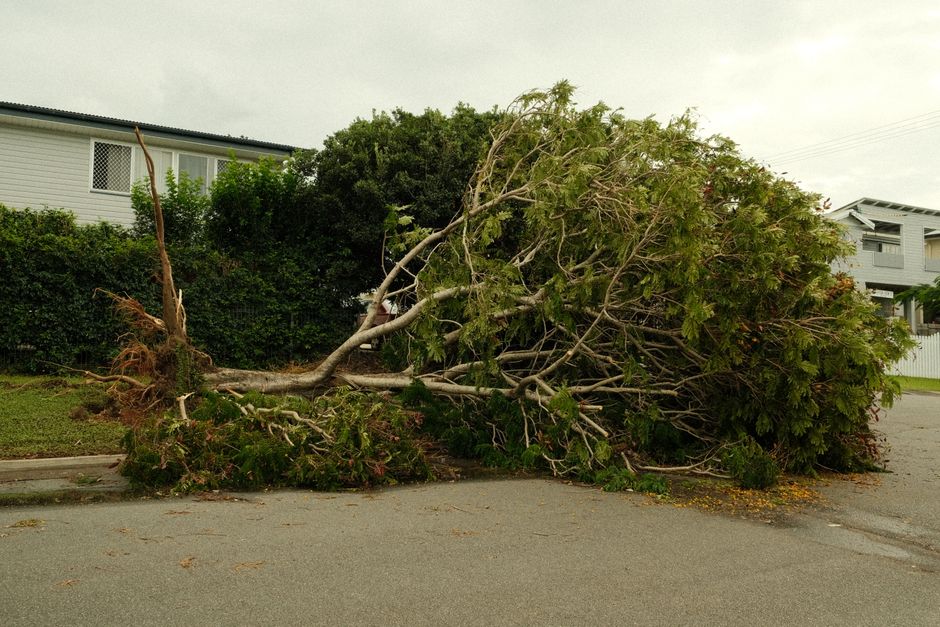
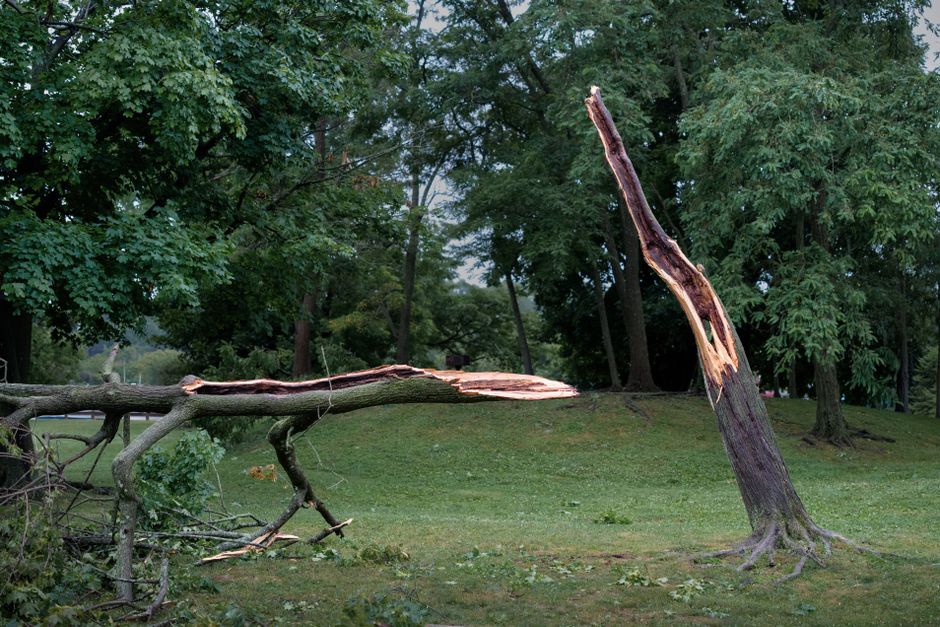
When a storm rolls through Waddon, the garden can look fine from the window one minute and properly battered the next. Branches on the lawn, hedges flattened, fence panels loose, patio furniture scattered, and a lawn that looks like it has been through a small war. If you need urgent same day gardeners in Waddon for storm damage, the goal is simple: make the space safe, clear the mess quickly, and stop a bad situation turning into a bigger one.
This guide explains what same day storm-damage gardening help actually covers, how the process works, what to check before booking, and which jobs are best handled straight away. It also covers sensible next steps for Waddon homeowners, landlords, and property managers who just need the garden under control again. To be fair, after a rough night of wind and rain, most people do not want theory. They want clear advice and a practical plan. Let's get into that.
Why urgent storm-damage gardening matters
Storm damage is not just an aesthetic problem. In a garden, it can create trip hazards, block access routes, damage planting beds, put pressure on fences, and leave sharp or unstable debris where children, pets, or visitors might wander. A snapped branch leaning on a shrub might look harmless, but give it an hour of wind and it can drop without warning. That is the bit people often miss.
In Waddon, where many gardens are compact and boundary lines are close together, storm damage can also affect neighbours quickly. A toppled fence panel, a hedge split by wind, or a tree branch hanging over a shared boundary can become a nuisance before you have even had breakfast. If you have ever opened the back door at 7am and heard that horrible crunch underfoot, you will know the feeling.
Speed matters because water, wind, and broken plant material can escalate damage. Wet soil gets churned up by foot traffic. Torn stems can invite rot. A damaged tree or heavy branch can stress the rest of the plant. And if a fence or screen has been hit, the next blow may make it fail entirely. That is why urgent same day gardeners in Waddon for storm damage are often called in first for containment rather than full redesign.
A good same day response is not about making the garden perfect in one go. It is about stabilising it. Clear the broken bits. Make the space safe. Identify what needs specialist attention. Then plan the tidy-up properly.
Expert summary: after storm damage, the right priority order is usually safety, access, containment, then restoration. If you get that order wrong, you can end up making a repair slower and more expensive than it needed to be.
How same day storm-damage garden help works
The process is usually straightforward, though the exact response depends on what the storm has done. In most cases, same day gardeners will start with a quick phone discussion or message so they can understand the scale of the job. A short description helps a lot: fallen branches, flooded beds, damaged hedge, fence blown over, broken planters, blocked path, damaged decking, or all of the above. Storms tend to bundle problems together, annoyingly.
Once the issue is clear, the gardener will usually prioritise the most urgent hazards first. That may mean removing loose debris from access routes, cutting back broken plant material, lifting branches away from structures, or securing areas that are unsafe to enter. If there is a larger issue involving mature trees, a qualified tree surgery service in Waddon may be the better next step, especially where heavy limbs are cracked, hung up, or resting under tension.
Same day work often includes:
- storm debris clearance from lawns, paths, patios, and borders
- pruning snapped stems and split shrubs
- light hedge recovery and reshaping
- temporary securing of loose plants or lightweight features
- removal of windblown leaves, twigs, and litter
- inspection of damaged planting areas, beds, and boundary features
- advice on what should be left for follow-up repair
Depending on the garden, the visit can be very hands-on or surprisingly quick. A small rear garden might only need a targeted clearance and a few repairs. A larger property with mature trees, deep borders, and timber structures could need a more staged approach. If there is a wider aftercare need, it may flow naturally into garden maintenance in Waddon so the space is brought back into shape rather than just patched up.
The best services keep communication simple. They tell you what they can do on the day, what should wait, and what may need a different trade. That clarity is worth a lot during an already messy morning.
Key benefits and practical advantages
There is a big difference between "someone came and had a look" and "the garden is now safe enough to use again." Same day storm response is valuable because it gives you an immediate reset. Not a full transformation, no. But a proper reset, and sometimes that is exactly what you need.
1. Faster safety recovery
Loose branches, damaged shrubs, and broken fencing can cause injuries. Rapid clearance reduces that risk right away.
2. Less secondary damage
Storm debris left in place can bruise lawns, trap moisture, and damage paving edges or decking surfaces. Quick removal helps protect the rest of the garden.
3. Better decision-making
When the garden is cleared, you can see what is actually damaged and what only looks bad at first glance. Truth be told, storm chaos can make even a small issue seem huge.
4. Neater boundaries and better neighbour relations
If wind has pushed plant material over a fence line or into a shared walkway, sorting it quickly avoids frustration for everyone.
5. Reduced stress
There is something calming about seeing a disrupted space put back into order. The smell of wet soil, the sound of branches being cut back, the first clear patch on the patio - it all helps. Small thing, maybe, but it matters.
For properties that also need broken fencing or screening repaired, you may want to look at fencing services in Waddon. And if the storm has left surfaces slippery with grime, mud, or algae, patio cleaning in Waddon can be a useful follow-up once the loose debris is gone.
Who this is for and when it makes sense
Same day storm-damage gardening help is not only for dramatic disasters. It is for anyone whose outdoor space has become unsafe, awkward, or plainly unmanageable after bad weather.
- Homeowners dealing with broken branches, fallen pots, or a messy rear garden
- Landlords who need outdoor areas made safe before viewings or between tenancies
- Letting agents managing quick turnarounds after wind damage
- Older residents who want the garden cleared without lifting heavy debris
- Busy families who cannot spend the next weekend wrestling with storm rubble
- Small businesses with outdoor seating, frontage planting, or access paths affected by the weather
It makes sense when the garden has one or more of these issues:
- fallen or broken branches
- blocked access to doors, gates, or paths
- uprooted containers or damaged planters
- hedges split by wind
- muddy or flooded beds needing quick attention
- lightweight structures shifted or toppled
- storm debris covering lawns or paving
If you are dealing with an overgrown hedge that has caught the wind badly, a follow-up hedge tidy may help, and hedge trimming in Waddon is often the sensible next move once the immediate risk has been removed.
Step-by-step guidance
Here is a practical way to handle a storm-damaged garden without making things worse. Keep it simple.
- Look but do not rush in. Check the garden from a safe distance first. Look for hanging branches, leaning trees, loose fence panels, and anything that could fall. If something looks unstable, leave it alone.
- Take photos if needed. If you need to record damage for a landlord, insurer, or neighbour discussion, do it before anything is moved. Just be careful near unstable debris.
- Clear only the obvious loose material. Small twigs, leaves, and lightweight debris can often be moved safely. Leave heavy or tense branches for the professionals.
- Protect access points. Make sure entrances, side paths, and gates are usable. A clear route reduces the chance of trips and makes the rest of the work easier.
- Separate the jobs. Not all storm damage is the same. Plant recovery, tree safety, fence repair, and surface cleaning may need different approaches.
- Book the right service mix. If the problem includes more than clearance, consider pairing immediate garden recovery with general gardening services in Waddon or a more focused follow-up such as lawn or tree work.
- Do a second walk-through after clearing. Once the obvious mess is gone, inspect the space again. A bent stem, cracked stake, or waterlogged section is much easier to spot after the debris has been removed.
- Plan the next 48 hours. Some plants will perk up after a tidy. Others may need pruning, re-staking, or replacement later in the week.
A tiny but useful tip: keep one bin bag or tarp aside for storm waste before the clear-up starts. It sounds basic because it is basic. Basic works.
Expert tips for better results
After a storm, the aim is not to "tidy everything at once". The aim is to restore order without harming the garden further. That's the real skill.
Match the response to the damage
A torn perennial border needs a different approach from a split conifer or a waterlogged lawn. One size does not fit all, despite what people hope at 8am after a windy night.
Do not cut live plants too hard
It is tempting to hack everything back until it looks neat. But many shrubs and perennials recover better with selective pruning. Remove broken tissue, then judge the rest once the plant has settled.
Check for hidden damage
Storms often snap stems near the base or bruise plant crowns under debris. If a plant looks fine from the top but collapses later, hidden damage is likely the reason.
Use the clear-up as a reset
Once the mess is gone, it is a good chance to rethink weak points. Maybe a planting bed needs stronger edging. Maybe a fence needs proper repair. Maybe a decking area would benefit from better drainage or a cleaner finish. For that sort of longer-term improvement, landscaping in Waddon can help turn a reactive fix into something sturdier.
Think about wind exposure
Gardens in exposed spots often need more structural planting, better staking, or wind-tolerant choices. If your garden is open to gusts, this piece on protecting your garden from blustery weather is worth a look when you have a calmer moment.
Keep the first visit simple
It is usually better to solve the immediate hazard first and return for restorative work later. Trying to do every job in one frantic sweep can lead to poor pruning cuts and missed damage. And nobody wants that.
Common mistakes to avoid
Storm recovery tends to go wrong in the same few ways. Here are the big ones.
- Starting with the wrong task. Do not begin with cosmetic pruning if there is still a dangerous branch above your head.
- Using the wrong tools. Kitchen scissors, blunt saws, and bargain shears are not the answer. Seriously, they are not.
- Cutting too close to the stem. Rough cuts can slow recovery and open the plant to disease.
- Leaving debris in damp piles. Wet heaps of leaves and twigs can go slimy fast and smother the lawn underneath.
- Ignoring drainage issues. Storm water can reveal a problem that was already there. If puddles form repeatedly, the underlying issue probably needs attention.
- Forgetting about safety gear. Gloves, sturdy shoes, and eye protection are not overkill when broken branches are involved.
- Assuming every damaged tree is just a pruning job. Sometimes it is, sometimes it really is not. If a limb is large, split, or under tension, specialist tree work is the safer call.
A common mistake is trying to make the garden look finished before it is actually safe. That urge is understandable. But safety first, always. Neat can come second.
Tools, resources and recommendations
For professional same day recovery, the right tools make the difference between a messy struggle and a controlled clean-up. On smaller jobs, the basics are enough. On larger storm jobs, experienced gardeners usually bring a wider kit.
| Task | Useful tools | Why they matter |
|---|---|---|
| Debris clearance | Rakes, tarpaulins, heavy-duty bags, wheelbarrow | Makes removal quicker and keeps the garden cleaner while you work |
| Broken stems and pruning | Secateurs, loppers, pruning saw | Helps make clean cuts and remove damaged growth properly |
| Tree-related risk | Professional cutting equipment, safe access gear | Needed where branches are unstable, heavy, or high up |
| Surface recovery | Brooms, patio brush, pressure-controlled cleaning tools | Useful for mud, leaf litter, and slippery residues |
| Temporary support | Plant ties, stakes, soft straps | Helps steady damaged plants without causing extra harm |
For homeowners who like to understand their garden better, a couple of related reads can help with the wider recovery picture: top gear for gardeners' tools is useful if you want to know what proper kit looks like, and revitalising a neglected green space is handy if the storm damage has exposed a garden that was already due for attention.
If the storm has ripped through ivy, creepers, or climbing growth, the clean-up can be a little more involved. In that case, getting ivy under control may be relevant because storm movement often reveals just how much hidden growth has been gripping walls, fences, and trees.
Law, compliance, standards, or best practice
For most domestic garden jobs, there is no complicated paperwork. But there are still sensible standards to follow, especially after storm damage. If you are arranging work in Waddon, the basic expectations are the same as anywhere else in the UK: keep the area safe, avoid unnecessary damage, and make sure any work on trees, fences, or shared boundaries is handled responsibly.
Best practice usually includes:
- not starting work near unstable branches or structures without a safe plan
- checking whether the damaged tree or hedge belongs to you or sits on a boundary
- avoiding damage to neighbouring property while clearing debris
- using proper personal protective equipment where cutting or lifting is involved
- disposing of green waste appropriately rather than dumping it in shared areas
If a tree appears structurally unsafe, it is wise to treat it as a specialist issue rather than a casual gardening task. A trained tree surgeon can assess whether the problem is a simple prune, a damaged limb, or something that should be monitored. The same general principle applies to fencing and heavy timber features: if it has shifted enough to become unstable, leave the brave-hero act for another day.
One more thing. If the storm has affected a shared boundary, communicate early and politely. That saves friction, and in my experience, a quick conversation now is worth ten awkward ones later.
Options, methods, or comparison table
Not every storm-damaged garden needs the same response. Here is a simple comparison to help you decide what level of help makes sense.
| Approach | Best for | Strengths | Limitations |
|---|---|---|---|
| Basic DIY clear-up | Small amounts of loose debris, light leaf fall | Fast, low cost, good for obvious mess | Not suitable for heavy branches or unsafe areas |
| Same day gardener visit | Mixed storm damage, urgent tidying, plant recovery | Quick response, practical judgement, safer than DIY for more complex jobs | May not include major structural repairs |
| Gardener plus specialist follow-up | Tree damage, fencing issues, major storm impact | Best for more serious damage and proper restoration | Usually involves a second appointment |
In plain English: if you can clear it safely with a broom and a bag, fine. If it involves height, weight, tension, sharp breaks, or shared structures, move up a level. That is the sensible line.
Case study or real-world example
Here is a realistic example based on the kind of callouts people commonly make after a windy night in Waddon.
A homeowner wakes up to find a medium-sized branch across the back path, a few shrubs flattened, one side of the hedge bent outward, and mud pushed across the patio. The garden is not ruined, but it is unusable. There is also a loose fence panel near the corner, which makes the whole thing feel a bit more serious than it first looked.
On a same day visit, the immediate priorities would be:
- remove the branch from the path
- clear loose debris from the patio and lawn
- prune broken growth from the shrubs
- tie back or support the hedge where possible
- inspect the fence panel and decide whether a repair visit is needed
By the end of the appointment, the garden would not be "finished", but it would be safe, walkable, and calm enough to use. The next visit might focus on fence repair, deeper pruning, or a broader tidy-up. If the patio surface had also become slippery with soil and leaf residue, a follow-up patio cleaning service would make sense.
That is usually how good storm recovery works in real life: first make it safe, then make it tidy, then make it better than before.
Practical checklist
Use this quick checklist before, during, or after booking urgent storm-damage gardening help.
- Check for hanging branches or unstable trees from a safe distance
- Keep children and pets away from the damaged area
- Take photos of the damage if you need a record
- Identify whether access paths, doors, or gates are blocked
- Separate light debris from heavy or risky debris
- Confirm whether the issue is mainly plants, trees, fencing, or surfaces
- Ask what can be done the same day and what needs a follow-up visit
- Keep any saved branches or plant material away from drains and walkways
- Check again after the first clear-up for hidden damage
- Arrange repair work early if a boundary, tree, or structure is still compromised
If the storm has also left your lawn battered and messy, lawn care in Waddon may be the next sensible step after the immediate clearance. A torn-up lawn can recover well, but it usually needs a bit of patience and proper aftercare.
Get a free quote today and see how much you can save.
Conclusion
Urgent same day gardeners in Waddon for storm damage are about more than speed. They are about restoring control when the weather has left your garden looking chaotic, unsafe, or simply too much to handle alone. A good response clears the danger, protects the rest of the space, and gives you a clear path to proper recovery.
Whether you are dealing with snapped branches, flattened planting, a damaged hedge, or a fence that has taken a hit, the smartest move is usually the same: deal with the immediate risk first, then sort the follow-up in stages. That way you protect the garden you already have, instead of making a rushed repair worse.
And honestly, after a storm, that calm first step can feel like a small relief in itself. A cleared path. A safer garden. A bit of order back.
Frequently Asked Questions
How quickly can urgent same day gardeners in Waddon for storm damage arrive?
It depends on workload, weather conditions, and how severe the damage is, but same day help usually starts with a quick assessment and a priority visit where possible. If the job involves dangerous branches or major hazards, timing may depend on safety and access.
What counts as storm damage in a garden?
Common storm damage includes fallen branches, split hedges, uprooted plants, blown-over pots, damaged fences, muddy borders, and debris across paths or patios. Sometimes the damage is obvious; sometimes it is hidden until the debris is cleared.
Can a same day gardener remove fallen branches safely?
Yes, for branches that are loose, manageable, and safe to lift or cut. If the branch is heavy, trapped, hanging, or under tension, it may need specialist tree work instead. Safety comes first, no heroics.
Will the gardener fully restore my garden on the first visit?
Not always. The first visit usually focuses on making the area safe and usable. Full restoration may take a second appointment if there is structural damage, major pruning, or follow-up repairs needed.
Do I need tree surgery after storm damage?
Only if the tree has significant damage, a cracked limb, or structural concerns. If the tree looks unstable or a large branch has shifted, a tree specialist is the safer option rather than general clearance alone.
What should I do before the gardener arrives?
Keep people and pets away from unsafe areas, take photos if needed, and avoid moving heavy debris yourself. If you can safely clear tiny loose material, fine, but leave risky bits alone.
Can storm damage affect my lawn too?
Yes. Heavy debris can bruise turf, create muddy patches, and compact wet ground. If the lawn has been flattened or torn, a lawn care follow-up may help it recover properly.
How much does same day storm-damage garden work cost?
Costs vary by size of garden, urgency, access, and the type of damage. A small tidy-up is very different from a larger clear-up with tree or fence issues. The sensible move is to request a quote after describing the damage clearly.
Should I try to fix a broken hedge myself?
Only if the damage is light and easy to access. If the hedge is split, tangled with other plants, or leaning because of wind exposure, a proper trim or recovery cut is usually better. Rushing it can make the shape worse, which is annoying later.
What if storm damage has affected my fence as well?
That may need a separate repair visit, especially if panels are loose, posts are unstable, or the boundary is exposed. Clearing the garden first is useful, but a damaged fence should be dealt with properly before the next windy spell.
Can I book storm-damage help for a rental property?
Yes. Landlords and letting agents often use same day gardening help to make outdoor areas safe between tenancies or after weather damage. It is a practical way to keep access clear and avoid avoidable delays.
Is it better to wait until the weather improves?
If conditions are still unsafe, yes. A proper service should not rush into dangerous work just to tick a box. Once the worst of the weather has passed, the damage can be assessed and handled properly.
What if my garden was already messy before the storm?
That is actually quite common. Storms tend to expose underlying issues like weak pruning, poor drainage, overgrown hedges, or tired borders. A same day clean-up can be the reset point, then broader garden maintenance can bring the whole space back under control.
How do I choose the right local help in Waddon?
Look for clear communication, sensible safety advice, and a service that understands the difference between clearance, pruning, and specialist repair. The right gardener should tell you what can be done now and what should wait. That honesty is a good sign.