Garden maintenance for homes near Waddon Station: a practical local guide
If you live near Waddon Station, you already know the garden can become a bit of a moving target. One week it looks tidy and manageable; the next, the lawn has sprinted ahead, the hedge is leaning, and the patio has picked up that familiar damp, speckled look. Garden maintenance for homes near Waddon Station is really about keeping everything under control without turning weekends into a constant catch-up job.
That is especially true in a busy local setting where homes often need gardens that look neat from the street, feel usable at the back, and cope with London weather doing its usual thing. This guide breaks down what maintenance actually includes, how a sensible routine works, what to prioritise first, and when to bring in help. You will also find a checklist, a comparison table, and a few real-world observations that should make planning much easier. To be fair, once you see the pattern, it gets a lot less overwhelming.
Practical takeaway: the best garden maintenance plans are not the fanciest ones. They are the ones you can repeat consistently, season after season, without letting weeds, overgrowth, and repairs build up in the background.
Table of Contents
- Why Garden maintenance for homes near Waddon Station Matters
- How Garden maintenance for homes near Waddon Station Works
- Key Benefits and Practical Advantages
- Who This Is For and When It Makes Sense
- Step-by-Step Guidance
- Expert Tips for Better Results
- Common Mistakes to Avoid
- Tools, Resources and Recommendations
- Law, Compliance, Standards, or Best Practice
- Options, Methods, or Comparison Table
- Case Study or Real-World Example
- Practical Checklist
- Conclusion
- Frequently Asked Questions
Why Garden maintenance for homes near Waddon Station Matters
Near a station, homes tend to see a bit more foot traffic, a bit more exposure, and often a stronger need for tidy outdoor presentation. That does not mean you need a show garden. It does mean the basics matter: healthy grass, controlled hedges, clear paths, safe trees, and planting that does not spill into walkways or become a nuisance.
Local maintenance also matters because gardens around built-up parts of Croydon can change quickly. A windy week can push climbers loose, a wet spell can create moss and slippery surfaces, and mild spring weather can trigger a burst of growth almost overnight. If you ignore it for a month, you often end up with three jobs at once instead of one small one. That is the trap.
There is also a practical safety side. Overgrown shrubs can block sightlines, low branches can scrape roofs or fences, and neglected paving can become slick enough to be a nuisance for anyone carrying shopping, pushing a pram, or just rushing for the train. A tidy garden is not just about looks. It helps the home work better.
For many households, a structured plan that includes garden maintenance in Waddon CR0 is the simplest way to stay ahead of the mess. And if the lawn is the bit that always gets away from you first, pairing that with local lawn care support can make the whole space feel easier to manage.
How Garden maintenance for homes near Waddon Station Works
Good maintenance is not one big annual clear-up. It is a repeatable rhythm. Most gardens respond best when you work in layers: grass, hedges, beds, trees, hard surfaces, boundaries, and then seasonal tasks. Think of it like keeping a kitchen clean while you cook. If you wait until the end, it is much harder.
In practice, maintenance usually starts with a simple assessment. What is growing fastest? What is becoming unsafe or untidy? What is seasonal and what is permanent? From there, tasks are grouped into regular visits or planned rounds. A small front garden may only need occasional edging and pruning, while a larger rear garden might require more frequent visits, especially in the growing season.
Homes near Waddon Station often benefit from a combination approach. For example, the lawn may need periodic mowing and feeding, hedges may need shaping a few times a year, and a shady corner may need weed control, leaf clearance, or planting changes. If mature trees are involved, more specialist attention can be needed, which is where tree surgery services become relevant. Same idea with boundary work: if an old fence is tilting or letting the garden look tired, fencing support can be part of the maintenance picture rather than an afterthought.
One thing people often miss: maintenance is not only reactive. It is preventative. A neat hedge now is easier than a full reset later. A cleaned patio now is safer than scrubbing algae off after it has really taken hold. And if you have a deck, regular care keeps it from becoming a slippery, greyed-out patch that no one wants to step on in November.
Key Benefits and Practical Advantages
Let's keep this grounded. The biggest benefit is not just that the garden looks nice. It is that the garden becomes easier to live with.
- Better curb appeal: useful if you want the property to look cared for from the street or from the station side of the route home.
- Less weekend pressure: smaller, regular tasks are far less stressful than a full-scale rescue job.
- Healthier plants: pruning, feeding, and clearing debris support stronger growth and fewer problems.
- Safer outdoor areas: less moss, fewer hidden trip hazards, and better visibility around steps and paths.
- Longer life for outdoor features: decks, paving, fencing, and even planter beds last better when they are maintained.
- More usable space: a garden you can sit in is worth far more than one you merely look at through the window.
There is also a quieter benefit. A maintained garden tends to feel calmer. You notice it when you open the back door and there is not a mess greeting you. A clipped hedge, a swept path, and a bit of colour from planting can change the whole tone of the place. Sounds simple. It is simple. But it works.
For households trying to keep things low-effort, some smart planting choices can reduce maintenance from the start. Ground cover, for example, can suppress weeds and soften bare edges. If that sounds useful, see the guide on ground cover plants that flourish in UK gardens. If your garden is small, there are also clever ways to build vertical interest without demanding extra square footage; the article on vertical gardening for modern homes is a good match for that problem.
Who This Is For and When It Makes Sense
This kind of maintenance makes sense for a wide range of homes, but especially when one or more of these apply:
- You have a lawn that grows faster than you expected, or a little patch that always looks scruffy after rain.
- You are busy commuting, so the garden gets left until it has clearly become a job.
- You want a nicer-looking front garden without spending every Saturday on it.
- You have hedges, trees, or climbers that need regular control.
- You rent out a property and need the exterior kept presentable.
- You have children or pets and want the space to stay safe and usable.
It also makes sense if your garden has one or two problem areas that keep returning. Maybe the rear corner goes mossy every winter. Maybe ivy keeps creeping where it is not wanted. Maybe the patio looks fine from afar but is just a bit grim underfoot. Those are the moments when a maintenance plan stops being optional and starts becoming sensible.
If your garden is already neglected, do not panic. You do not need to solve everything in one go. A good reset can begin with clearing, cutting back, and removing the worst offenders first. There is a useful article on revitalising a neglected green space if you are starting from that position. Happens more often than people admit.
Step-by-Step Guidance
Here is a practical way to approach maintenance near Waddon Station without overcomplicating it.
- Walk the garden slowly. Look for overgrowth, weed patches, clogged drains, leaning branches, broken edges, and slippery areas.
- Separate urgent jobs from routine jobs. Safety issues and access problems come first; prettifying tasks can wait a little.
- Deal with the lawn. Mow, edge, and clear clippings. If the grass is patchy or compacted, plan for aeration, feeding, or reseeding later.
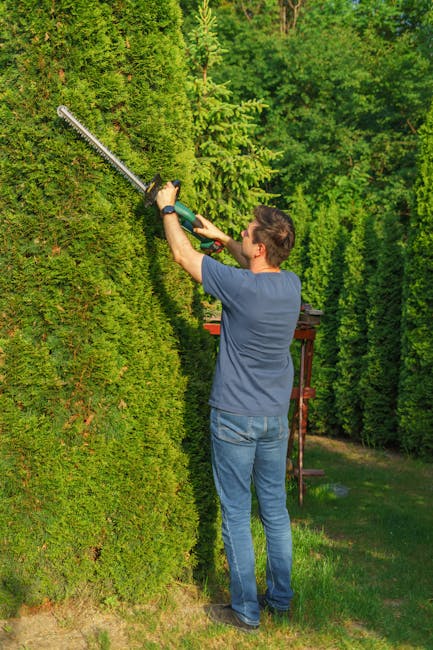
- Cut back hedges and shrubs. Keep shapes tidy and avoid blocking light into rooms or paths. For better structure, guidance from hedge trimming tips can help you judge the timing and finish.
- Check trees and climbing plants. Remove dead wood, look for crossing branches, and stop climbers from smothering walls or fences. Ivy in particular can get very persistent.
- Clear hard surfaces. Sweep patios and decks, remove algae where needed, and stop slippery growth before it becomes annoying.
- Refresh beds and borders. Pull weeds, top up mulch, and replace tired plants with something more resilient where necessary.
- Inspect boundaries and structures. Fences, gates, edging, and raised beds all affect how tidy the garden feels.
- Set a repeat schedule. Monthly, fortnightly, or seasonal depending on how quickly the space grows.
On a typical small terrace garden, this can be done in short cycles. A half-hour here, an hour there. You do not have to transform the entire space in one afternoon, and honestly, that usually ends badly anyway. Better to keep it steady.
Expert Tips for Better Results
Good maintenance is often about timing and order, not brute force.
- Cut before growth gets leggy. Hedges and shrubs respond better when they are trimmed regularly rather than hacked back after months of neglect.
- Work after a dry spell if possible. It is easier to weed, sweep, and prune when the soil and surfaces are not waterlogged.
- Use mulch where beds are exposed. It helps with moisture retention and keeps weeds down. Simple, but effective.
- Watch for wind exposure. Gardens near open routes can get battered more than you think. A little support, staking, or selective planting can reduce damage. The guide on protecting your garden from blustery weather is especially relevant if your plot feels exposed.
- Do not leave ivy alone for too long. It can get into cracks, climb structures, and become a real nuisance. There is a useful read on removing ivy from your landscape.
- Match plants to the job. If you want lower maintenance, choose plants that suit the light, soil, and space rather than fighting the site every year.
A small personal note: gardens often look best when they are treated a bit like haircuts. Regular trims beat dramatic rescues. Every time.
If your household includes dogs, that matters too. Paths should be clear, plants should be chosen with behaviour in mind, and muddy zones need some thought. The article on gardening while accommodating dogs has some sensible ideas for that balancing act.
Common Mistakes to Avoid
Most garden problems are not caused by one dramatic failure. They build up through small, repeated oversights.
- Letting one task snowball. A hedge left too long turns into a bigger job, then a bigger one, then suddenly it is all a bit miserable.
- Overcutting plants. Some shrubs and hedges recover slowly if cut too hard at the wrong time.
- Ignoring drainage or standing water. Wet patches lead to moss, rot, and damaged surfaces.
- Using the wrong cleaning method on patios or decking. Too much pressure can damage surfaces, while too little leaves algae in place.
- Forgetting the hidden edges. Fences behind bins, narrow side returns, and the back of beds often get ignored, yet they affect the whole feel of the garden.
- Keeping tired plants out of habit. Sometimes a replant is kinder, and cheaper in the long run, than trying to rescue a plant that has clearly given up.
Another subtle mistake is designing for a perfect spring day and not for the rest of the year. London gardens need to handle wet weeks, windy spells, shade, and the odd heat burst. If you only plan for the nicest weather, the garden will fight back. It always does.
Tools, Resources and Recommendations
You do not need a shed full of gear, but a basic toolkit makes maintenance much less painful.
- Sharp secateurs: for pruning small stems cleanly.
- Hedge trimmer or shears: for keeping lines even and tidy.
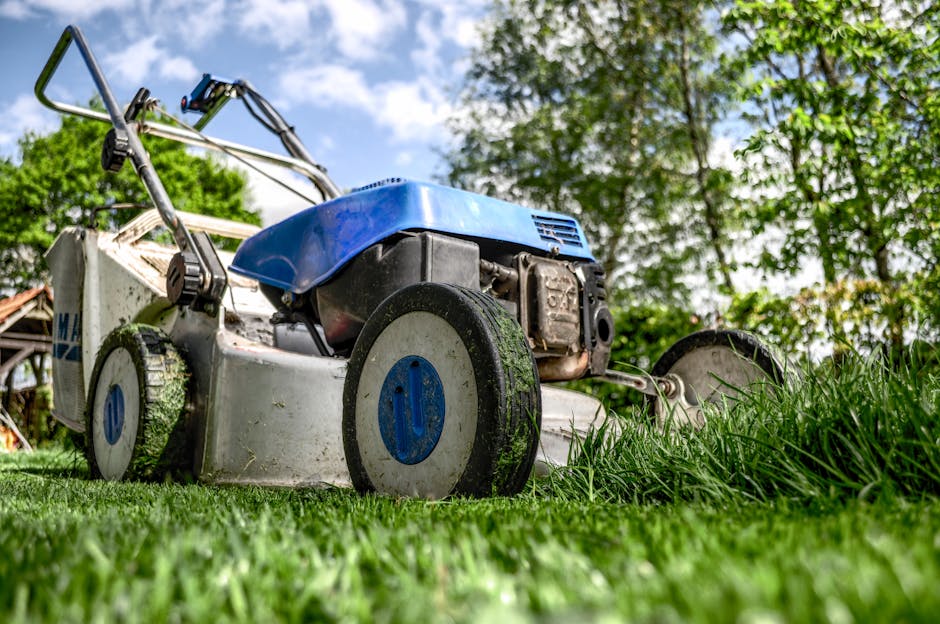
- Lawn mower: sized appropriately for your plot.
- Stiff broom and garden rake: for clearing leaves, moss, and debris.
- Gloves and sturdy footwear: boring, yes, but essential.
- Weed puller or hand fork: especially useful in borders and paving joints.
- Bucket, compost bag, or tidy waste container: to keep cuttings under control as you work.
For more on building a sensible equipment list, the guide to tools every outdoor enthusiast relies on is a helpful companion piece. If your goal is to create a calmer space rather than a high-effort display, you may also like the idea-led article on creating a zen garden.
For planting ideas that reduce maintenance, these are useful reading points:
- budget-friendly, low-upkeep garden ideas
- container gardening basics
- turning a small space into a herb garden
- fast-growing hedges for privacy
Law, Compliance, Standards, or Best Practice
For most household garden work, the main concern is good practice rather than heavy regulation. That said, a few common-sense standards matter in the UK.
Safety first: any work involving ladders, power tools, or large branches should be approached carefully. If a tree is tall, unstable, or close to a roof, it is usually wiser to use specialist help than take risks. Tree work can look simple from the ground and become awkward very quickly once you are up there. Bit of an understatement, really.
Neighbours and boundaries: trimming overhanging growth, handling hedge lines, and managing fence boundaries should be done with care to avoid disputes. It helps to know where the boundary actually sits before cutting or replacing anything significant.
Waste handling: garden waste should be kept tidy and disposed of responsibly. Green waste, cuttings, and prunings can quickly become a mess if left in bags for too long, especially in warmer weather.
Wildlife awareness: check hedges and dense planting carefully before major cutting, particularly in spring and early summer, when birds may be nesting. If you are unsure, slower and lighter work is usually the sensible choice.
Surface care: if a patio or deck is slippery, treat it early. Slipping hazards are not just a winter issue. Damp shade and neglected surfaces can be risky most of the year.
For detailed structural work, repairs, or larger transformations, it often makes sense to combine maintenance with professional gardening services in Waddon CR0 or broader landscaping support when the garden needs more than a tidy-up.
Options, Methods, or Comparison Table
Not every home needs the same maintenance style. Here is a simple comparison to help you decide what fits.
| Approach | Best for | Pros | Trade-offs |
|---|---|---|---|
| DIY routine maintenance | Small gardens, light growth, confident homeowners | Low direct cost, flexible timing, hands-on control | Time-consuming, easy to fall behind, requires tools and effort |
| Scheduled professional visits | Busy households, medium-sized gardens, regular upkeep | Consistent standards, less stress, better continuity | Requires budget and ongoing commitment |
| Seasonal deep clean plus light DIY upkeep | Homes that want a reset and then manageable follow-up | Good balance of cost and control, practical for many properties | Needs discipline between visits |
| Full garden redesign with maintenance plan | Overgrown or awkward gardens, poor layouts, high-effort spaces | Can solve underlying problems, improves long-term usability | More upfront planning and usually a bigger investment |
If you have a patio or deck that keeps spoiling the overall look, maintenance may need to include those surfaces too. A clean path leads the eye better than a perfect border hidden behind algae, after all. For that, look at patio cleaning and decking services as part of the wider upkeep picture.
Case Study or Real-World Example
Picture a typical house near Waddon Station: a front garden with an uneven lawn, a hedge that has grown into the path a little, a back patio with green staining, and a side border full of weeds. Nothing dramatic. Just the kind of garden that looks fine from a distance but nags at you every time you step outside.
The first visit focuses on quick wins. The lawn is cut and edged, the hedge is trimmed back to restore shape, and the patio is cleaned so it stops looking dull and slippery. Then the problem areas are tackled: ivy is removed from a fence line, the border is cleared, and the fence is checked for damage. Where the layout feels cramped, simple landscaping changes create a better flow.
What changes most is not one feature, but the whole feel. Suddenly the garden becomes somewhere you can actually use for morning coffee, after-work sitting, or a small weekend barbecue without first spending three hours making it presentable. A couple of months later, the same space only needs lighter work to stay in shape.
That is the value of maintenance done properly. Not perfection. Just steady improvement, and less drama next time.
Practical Checklist
Use this quick checklist to keep your garden on track through the year.
- Check the lawn weekly in active growing months.
- Trim hedges before they lose shape or block light.
- Remove weeds from beds, paving joints, and borders before they seed.
- Inspect trees for deadwood, rubbing branches, or obvious lean.
- Sweep patios and decking regularly to reduce algae and dirt build-up.
- Clear fallen leaves from drains, corners, and shaded areas.
- Refresh mulch or soil improver where beds look thin or tired.
- Check fences, gates, and edging for movement or rot.
- Prune climbers so they support the garden rather than taking it over.
- Reassess planting each season and remove anything that is clearly struggling.
Simple rule: if a task takes five minutes now, do it now. If it takes five weeks later, you already know the answer.
And if you want a fuller reset rather than piecemeal patching, it can help to start with a tidy-up plan and then layer in the right support. For many homes, patio cleaning in Waddon CR0 or hedge trimming are the jobs that instantly make everything else look better.
Get a free quote today and see how much you can save.
Conclusion
Garden maintenance for homes near Waddon Station is less about grand design and more about reliable habits. Keep the lawn manageable, the hedges shaped, the paths clean, and the structural bits in good order, and the whole property feels calmer and more cared for. That is true whether you have a compact front garden, a long rear plot, or something in between.
The real win is consistency. Once a garden has a rhythm, it stops fighting you quite so much. It becomes part of home life instead of a recurring headache. Nice, right? And on a chilly evening after the train in, that tidy, green space can feel like a small luxury.
If you are ready to simplify upkeep and make the garden easier to enjoy through every season, the next sensible step is a proper maintenance plan that suits the space you actually have, not the one you wish you had on a sunny April day.
Frequently Asked Questions
How often should garden maintenance be done near Waddon Station?
For most homes, light maintenance works best on a weekly or fortnightly rhythm during the growing season, with bigger tasks handled seasonally. Lawns may need more frequent attention, while hedges, trees, and beds can often be managed on a less regular schedule.
What does regular garden maintenance usually include?
It typically includes mowing, edging, weeding, hedge trimming, pruning, clearing leaves, checking trees, tidying borders, and keeping patios or decking clean. Some gardens also need fence checks or light landscaping adjustments.
Is professional garden maintenance worth it for a small home garden?
Yes, especially if you are short on time or your garden tends to get away from you. A small space can still become stressful if it needs constant attention, and regular professional upkeep often prevents larger problems from building up.
What are the most important jobs in spring?
Spring is usually the time to clear winter debris, feed and repair the lawn, prune carefully, refresh beds, and keep weeds down before they spread. It is also a sensible time to assess any damage from cold or wet weather.
Do I need tree surgery or just pruning?
If the work is light, such as removing small dead branches or shaping manageable growth, pruning may be enough. If a tree is large, close to a building, unstable, or showing signs of damage, specialist tree surgery is the safer option.
How do I keep a garden low-maintenance without making it boring?
Choose reliable plants, use mulch, keep the layout simple, and include a few strong focal points rather than lots of fragile details. Containers, ground cover, and well-chosen hedges can give structure without creating endless upkeep.
Can garden maintenance help with slippery patios and decking?
Absolutely. Regular cleaning removes algae, dirt, and leaf build-up before surfaces become hazardous. It also helps patios and decking keep their appearance for longer.
What should I do if my garden is badly overgrown?
Start with a reset: cut back the worst overgrowth, remove weeds, clear waste, and deal with unsafe or blocked areas first. Once the space is visible again, you can set a realistic routine. A full overhaul is rarely needed on day one.
Are there any best-practice concerns around nesting birds?
Yes. Before major hedge or shrub cutting, check carefully for active nests, especially in spring and early summer. If you are unsure, do lighter work and avoid disturbing dense growth unnecessarily.
How can I make my garden easier to manage through winter?
Focus on clearing fallen leaves, protecting vulnerable plants, checking drainage, and reducing the amount of exposed, untended growth. The guide on winter garden preparation is useful if you want to plan ahead rather than react after the first frost.
What is the difference between lawn care and lawn mowing?
Lawn mowing is the regular cutting of grass. Lawn care is broader and can include feeding, aeration, scarifying, weed control, overseeding, and looking after the overall health of the grass.
How do I decide whether to book a one-off visit or ongoing maintenance?
If the garden is already in decent shape, a one-off tidy-up may be enough to reset it. If it keeps slipping back or you simply do not have time to stay on top of it, an ongoing plan is usually better value and much less stressful.
Where should I start if I want help with my garden near Waddon Station?
Start with the most visible or most troublesome area: usually the lawn, hedge, patio, or a problem border. From there, a maintenance plan can be built around what the garden needs most. If you are unsure, a general assessment is often the easiest first step.