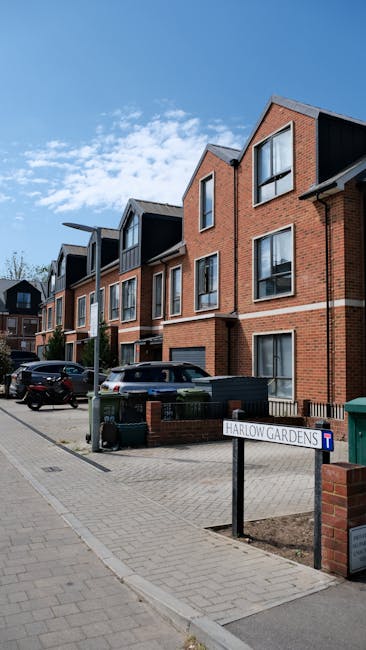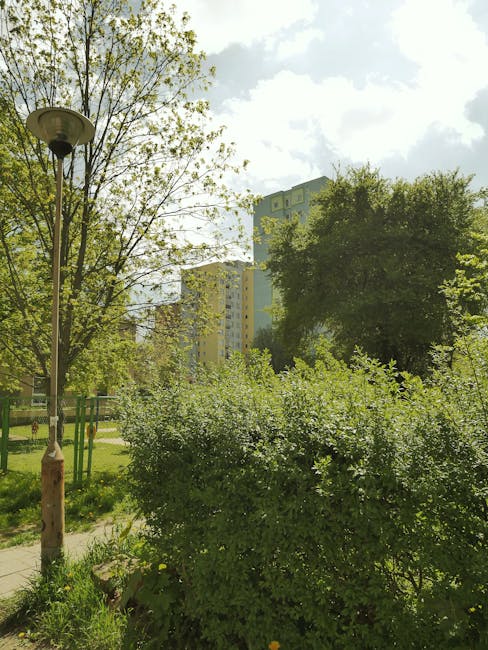
CR0 Garden Services for Flats on Plough Lane Waddon
If you live in a flat on Plough Lane in Waddon, you already know the outdoor space situation can be a bit of a mixed bag. Maybe you have a small communal strip, a courtyard, a shared lawn, planters by the entrance, or just a bit of greenery that everybody wants looking tidy without anyone quite wanting to do the work. That is where CR0 garden services for flats on Plough Lane Waddon become genuinely useful: not as a luxury, but as a practical way to keep shared outdoor areas safe, presentable, and easy to live with.
In simple terms, the right garden support for flats is about more than cutting grass. It covers routine maintenance, seasonal care, pruning, hedge trimming, patio cleaning, and the kind of careful coordination that keeps neighbours happy. Below, you will find a clear guide to how it works, what it usually includes, what to avoid, and how to choose the best approach for a block or apartment complex in this part of Croydon.
Why CR0 garden services for flats on Plough Lane Waddon Matters
Flat living changes the way outdoor maintenance works. A single back garden can be ignored for a week and nobody notices. A communal entrance border outside a block? Different story. Leaves gather in corners, weeds push through paving, hedges grow into walkways, and one damp patch underfoot can become a recurring nuisance. With shared access, all of that tends to show up quickly.
That is why local garden services matter so much for flats. On Plough Lane and the surrounding CR0 area, the job is often about keeping things orderly in tight spaces, and doing it without disrupting residents. You need a gardener who understands shared access, parking challenges, bin storage areas, and the fact that people may be passing by while work is happening. Not glamorous, perhaps. But very real.
There is also the visual side. A neat communal garden gives a block a calmer feel. It can make the place feel cared for, even before anyone steps inside. And let's be honest, nobody enjoys coming home to overgrown edges, slippery paving, or a hedge that seems to have taken matters into its own hands.
If the space needs regular attention, many landlords and resident groups start with garden maintenance in Waddon CR0 and then add more focused work such as lawn mowing or patio cleaning where needed.
How CR0 garden services for flats on Plough Lane Waddon Works
For flats, garden care usually starts with a walk-through. The aim is to see what is shared, what is private, what is practical to maintain, and what might need periodic rather than weekly attention. A courtyard may only need tidying every couple of weeks. A lawned communal area may need more regular cutting through spring and summer. A hedge line near a boundary may need shaping a few times a year. It depends.
In a typical setup, the work is agreed in stages:
- Assess the site - check access, scope, safety issues, and any resident restrictions.
- Prioritise tasks - for example, mowing, weeding, hedge trimming, leaf clearance, and path cleaning.
- Schedule around residents - especially important where noise, children, pets, or parking issues could create friction.
- Carry out the work - using the right tools for small or awkward spaces.
- Remove waste - because communal areas look untidy very quickly if green waste is left behind.
- Review and adjust - so the next visit matches the real conditions on site, not just a generic plan.
For mixed spaces, a broader service package can be a good fit. That might include gardening services in Waddon for ongoing support, plus targeted work such as hedge trimming and lawn care when the garden needs a little more than a basic tidy-up.
In practice, flats often need a flexible approach. A patio might be clean one month and covered in algae the next. A shrub bed might look fine in May, then need attention after a windy spell or a week of heavy rain. The best services work with that rhythm instead of forcing a rigid, one-size-fits-all plan.
Key Benefits and Practical Advantages
The main benefit is obvious: the place looks better. But there is a lot more going on underneath that.
- Safer walkways - less moss, leaf build-up, and debris around entrances and paths.
- Better first impressions - useful if the block is rented, managed, or regularly visited by guests and contractors.
- Lower stress for residents - no more informal arguments about whose turn it is to clear the leaves.
- Healthier planting - regular pruning and feeding can keep shrubs and borders in better shape.
- Less long-term damage - neglected hedges, clogged drains, and invasive plants often cost more later.
- More usable outdoor space - a tidy communal area is more likely to be enjoyed, not just walked past.
There is also a subtler advantage: rhythm. When a shared outdoor space is maintained on a sensible schedule, it stops swinging between chaos and over-correction. You know the type: nothing for months, then a dramatic clear-out that leaves the area looking stripped and harsh. A steadier approach is usually better. Much better, actually.
For example, a small block may only need periodic lawn work, while a courtyard with paving and seating can benefit from seasonal deep cleaning and planting updates. If you want to improve the outdoor feel without making things high maintenance, some useful ideas are covered in low-upkeep garden ideas and vertical gardening for modern homes.
Who This Is For and When It Makes Sense
CR0 garden services for flats on Plough Lane Waddon are a strong fit for anyone responsible for shared or limited outdoor space. That includes managing agents, landlords, resident associations, housing committees, and owners who are tired of trying to sort everything informally.
It also makes sense for:
- ground-floor flats with direct access to a small garden or patio
- blocks with shared entrance planting
- courtyard-style developments
- properties with boundary hedges or screening that need shaping
- flats where weeds, moss, or ivy keep coming back
- communal spaces that need to look good for tenants, visitors, or viewings
Sometimes the trigger is seasonal. Spring growth gets away from people. Autumn leaves build up faster than expected. Winter damp leaves paving slick. Or there is a change in residents and suddenly nobody quite knows who is responsible anymore. That happens more often than people admit.
If the garden around the flats includes privacy planting, a service that understands structure and plant growth can help more than a quick trim. For that, it is worth looking at things like fast-growing hedges for privacy and hedge trimming techniques.
Step-by-Step Guidance
If you are planning garden support for flats on Plough Lane, it helps to break the process into manageable steps rather than trying to solve everything in one go. Start small, then build up.
- Map the space
Walk the site and note what needs regular care, what is seasonal, and what is purely cosmetic. - Separate shared from private
This matters. A communal lawn is not the same thing as a tenant's patio pots, and the responsibility may differ. - List the priority jobs
Typical priorities include mowing, weeding, hedge cutting, pruning, sweeping, and waste removal. - Decide the frequency
Weekly, fortnightly, monthly, or seasonal visits each make sense in different situations. - Check access and timing
Make sure equipment can get in and out, and think about resident routines. - Agree the finish standard
For flats, "tidy" often means a clean, safe, and presentable look rather than a show-garden finish. - Review after the first visit
It is much easier to adjust early than wait until small issues pile up.
A useful way to think about it: if the space is mostly green, maintenance is your anchor. If it is mostly hard landscaping, then cleaning and edging matter more. If there are shrubs, hedges, or small trees, pruning and inspection become important too.
And yes, sometimes a little ivy has been "just living there" for far too long. For situations like that, this ivy removal guide is a sensible companion read.
Expert Tips for Better Results
Small decisions make a big difference in shared spaces. Truth be told, the difference between a decent result and a genuinely good one is often in the details nobody notices at first.
- Choose repeat visits over one-off rescue jobs whenever possible. A block usually looks better with steady care than occasional big clear-ups.
- Use the right finish for the surface. Paving, decking, and lawn areas all need different treatment.
- Keep planting simple. In communal areas, low-maintenance planting tends to age better than very fussy schemes.
- Watch for wind exposure. Open flats and courtyards can be surprisingly gusty, so loose planters, top-heavy shrubs, and climbing plants need thought.
- Plan for pets and children if they use the space. Sharp-edged shrubs, exposed feed, and muddy routes cause avoidable problems.
- Leave room for drainage. Flat buildings and paved courtyards can suffer when water sits where it should not.
If your block has a seating area or shared terrace, cleaning and upkeep can be paired with smart improvements. A good starting point is the ultimate garden seating experience, especially if the current setup feels a bit tacked on.
One more practical tip: take photos before and after the first few visits. Not for drama. Just for clarity. It helps everyone see what has changed and what still needs attention. Handy, especially where several people share decision-making.
Common Mistakes to Avoid
Flat garden maintenance is where small oversights become annoying very quickly. Here are the mistakes we see most often.
- Waiting too long to act - by the time weeds, moss, or hedge growth become obvious from the street, the job is usually bigger than it needed to be.
- Ignoring shared responsibility - if no one is clear on who arranges the work, it slips.
- Choosing the cheapest option blindly - a low quote that misses waste removal, edging, or follow-up can cost more later.
- Overplanting small spaces - crowded beds look tired fast and are harder to maintain.
- Using the wrong tools on the wrong surface - harsh cleaning on decking or delicate paving can do real damage.
- Forgetting seasonal change - what looks fine in June may be a soggy, leaf-heavy headache by November.
Another common one? Assuming every service can be reduced to mowing. In a flat setting, mowing may be only one part of the picture, and sometimes not the main part at all. A courtyard might need patio cleaning more urgently than grass cutting. A boundary hedge may need shaping before the whole area starts looking closed in.
Tools, Resources and Recommendations
Good results depend on using the right kit, but also on knowing when to keep things simple. For residential flats, there is no need to overcomplicate the job.
Typical tools and resources include:
- quality hedge trimmers for shaping and seasonal reduction
- mowers suitable for small or awkward lawns
- hand tools for border tidying and precise trimming
- leaf blowers or rakes for access paths and entrance areas
- pressure washing or careful surface cleaning equipment for hard landscaping
- waste bags, barrows, and safe disposal methods for green waste
- basic plant supports, ties, and edging materials where needed
If you are planning improvements rather than just maintenance, it helps to think about the wider layout. Useful related reading includes container gardening, small-space herb gardens, and ground cover plants that perform well in UK gardens.
For flat living, the best "resource" is often a sensible plan, not more equipment. That sounds obvious, but it saves a lot of muddle.
Law, Compliance, Standards, or Best Practice
Where flats are involved, garden care is not just about appearance. There are practical standards and common-sense duties around access, safety, and respect for neighbours. While the exact responsibilities vary by property and agreement, a careful approach is always the safer one.
In general, good practice means:
- keeping walkways clear so residents are not forced around overgrown edges or slippery surfaces
- managing waste properly rather than leaving cuttings in shared areas
- using equipment responsibly to avoid noise, mess, or damage
- checking for hazards such as broken fencing, unstable branches, and trip risks
- respecting shared access so maintenance does not block essential movement
If tree work is needed, it is usually sensible to treat that as a separate, more careful task rather than bundling it into routine care. Anything involving larger limbs, overhanging branches, or structural concerns needs more caution. For those cases, tree surgery in Waddon CR0 is the more appropriate route.
There is also a straightforward practical standard worth following: don't leave a communal space in a worse state than you found it. Sounds obvious, maybe even a bit cheeky to say out loud, but it matters.
Options, Methods, or Comparison Table
For flats on Plough Lane, there are usually three broad ways to handle garden care. Each has its place.
| Approach | Best for | Pros | Watch-outs |
|---|---|---|---|
| One-off tidy-up | Overgrown spaces or pre-sale preparation | Fast reset, visible improvement | Problems return quickly without follow-up |
| Regular maintenance plan | Communal lawns, borders, and entrances | Predictable, tidy year-round, easier to budget | Needs coordination and scheduling |
| Improvement-led service | Spaces needing upgrades as well as upkeep | Can add value, make the area more usable | Needs a clearer brief and sometimes a higher budget |
A regular plan is often the best fit for flats because it stops the garden from yo-yoing between neglected and overworked. If the area needs rethinking as well as upkeep, a more design-led route may be worth exploring through landscaping in Waddon CR0.
Case Study or Real-World Example
Here is a realistic example from the sort of situation that comes up often. A small block of flats has a front communal strip, a shared path, and a rear paved area used for bins and occasional seating. For months, residents have been doing bits and pieces themselves, but the work is inconsistent. One person trims a shrub, another sweeps the path, someone else means to deal with the weeds next weekend. Then the weekend disappears. Happens all the time.
The result is familiar: patchy lawn growth, weeds between paving slabs, an untidy hedge near the entrance, and a few damp leaves clinging to corners after rain. Nothing dramatic, but enough to make the place feel neglected.
A proper service plan would usually begin with a tidy-up visit, then move to regular upkeep. The lawn would be cut on a cycle, the hedge would be reshaped, the paving would be cleaned, and the borders would be simplified so they are easier to maintain. If the residents also wanted a greener feel without constant work, the planting might be changed toward durable, lower-maintenance options such as those discussed in revitalising a neglected green space and creating a calm, low-maintenance garden feel.
The nice part? After a few visits, the space starts to feel intentional again. Residents notice it when they come home. Visitors notice it too. And the mood of the whole block improves a little. Not magic. Just good upkeep.
Practical Checklist
Use this checklist before booking or planning CR0 garden services for flats on Plough Lane Waddon.
- Identify whether the area is communal, private, or mixed-use
- List the main problems: weeds, mowing, hedges, paving, litter, drainage, or overgrowth
- Decide how often the space realistically needs attention
- Check access for tools, waste removal, and resident movement
- Confirm who approves the work and who pays for it
- Set expectations for the finish: tidy, presentable, or fully refreshed
- Ask how waste will be removed and disposed of
- Consider safety risks such as slippery paving or low branches
- Think about plant choices that suit low-maintenance living
- Review the plan after the first visit and adjust if needed
If you are looking at routine support rather than a one-time clear-up, it usually makes sense to start with the broader service and then layer in specific tasks like mowing or hedge work as the site needs them.
Conclusion
CR0 garden services for flats on Plough Lane Waddon are about more than making a shared space look nice for a day. They help keep communal outdoor areas safe, workable, and easy to live with over the long term. For flats, that really matters. The right care keeps the garden from becoming a source of friction, and turns it into something residents can actually enjoy.
Whether your block needs regular maintenance, a full tidy-up, or a smarter low-maintenance plan, the key is to match the service to the space. Keep it practical. Keep it consistent. And don't wait until the hedges are arguing with the path.
Get a free quote today and see how much you can save.
If you are ready to tidy up a communal area, improve a courtyard, or sort out a flat's outdoor space properly, the next step is simple: ask for a clear, tailored plan and build from there. A neat garden can change the whole feel of a building, honestly, and that calm first impression goes a long way.
Frequently Asked Questions
What do CR0 garden services for flats on Plough Lane Waddon usually include?
They typically include mowing, hedge trimming, border tidying, weeding, leaf clearance, patio or path cleaning, and general upkeep for communal or shared outdoor areas. The exact mix depends on the space.
Are garden services for flats different from regular residential gardening?
Yes. Flats often need more coordination because the outdoor area is shared, access can be tighter, and residents may have different expectations. The work also needs to be scheduled around more people.
How often should a flat's communal garden be maintained?
There is no single rule. Some spaces need weekly care in growing season, while others can be maintained fortnightly or monthly. It depends on lawn size, planting, shade, and how heavily the area is used.
Do shared gardens need lawn mowing as well as general maintenance?
Often, yes. Lawn mowing may be a regular part of the plan, but many communal spaces also need edging, weeding, hedge care, and hard-surface cleaning to stay tidy.
What if the garden area is mostly paving or courtyard space?
Then the focus usually shifts toward sweeping, weed control, moss removal, patio cleaning, and keeping planters or boundary planting in good shape rather than heavy lawn care.
Can garden services help with overgrown hedges around flats?
Absolutely. Hedges can quickly obscure entrances, reduce light, and make shared spaces feel cramped. Professional hedge trimming helps restore shape and keep boundaries manageable.
Is tree work part of standard garden maintenance for flats?
Not always. Smaller pruning may be included in maintenance, but larger or riskier work is usually handled separately as tree surgery, especially where safety or structure is involved.
What should resident groups ask before booking garden services?
Ask what is included, how often visits will happen, how waste will be removed, whether the service covers hard landscaping, and how access will be managed around residents.
How do I keep a flat's garden low maintenance?
Keep planting simple, choose durable ground cover, avoid overcrowding, and stick to a regular care schedule. Low-maintenance does not mean no maintenance, just less fuss.
What are common warning signs that a flat's outdoor space needs attention?
Weeds through paving, slippery paths, shrubs blocking windows or walkways, patchy grass, leaf build-up, and poor drainage are all signs the area needs work before it becomes a bigger job.
Can garden services improve the look of a flat building without major landscaping?
Yes. Simple maintenance, cleaner paths, neat edges, and smarter planting can make a huge difference without a full redesign. Sometimes the smallest changes have the biggest effect.
How do I decide between maintenance and landscaping?
If the space is basically fine but messy, maintenance is usually enough. If the layout is awkward, underused, or hard to care for, landscaping may be the better long-term choice.