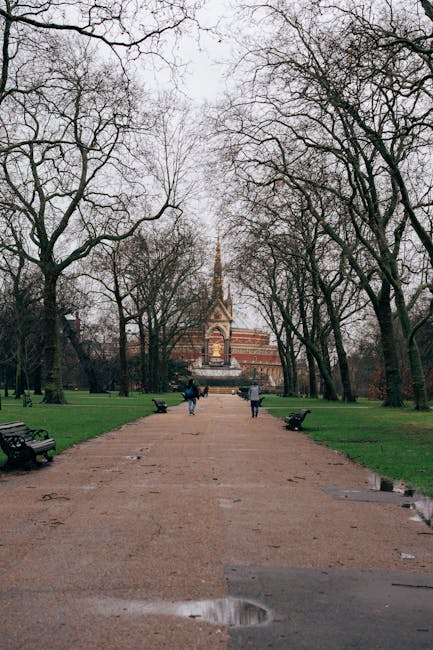
Best gardeners for gardens on Albert Road Waddon
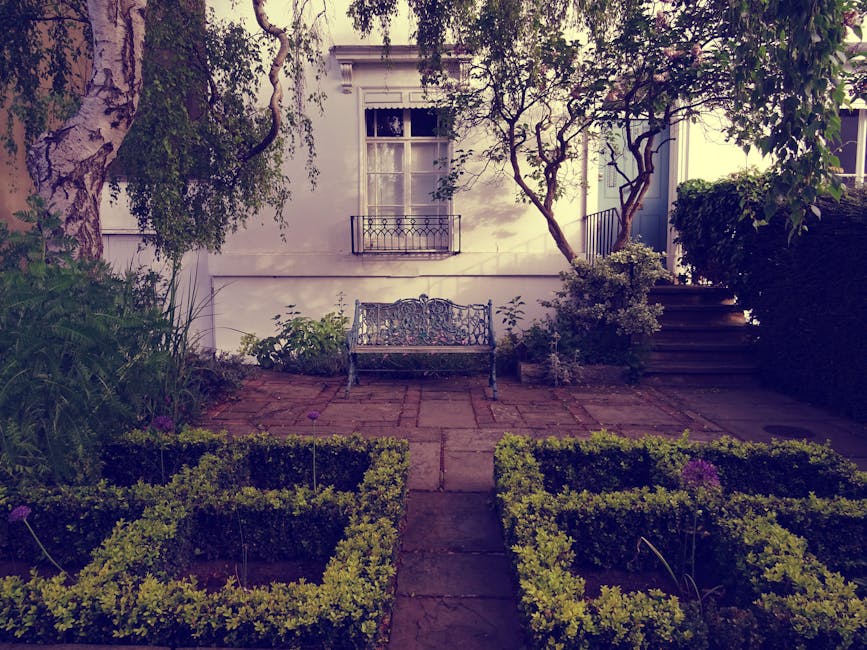
If you live on Albert Road in Waddon, you already know a garden can be a little blessing and a little battleground. One week it looks tidy and full of life; the next, weeds have moved in, the lawn has thinned out, and the hedge has decided to grow like it has a point to prove. Finding the best gardeners for gardens on Albert Road Waddon is really about finding someone who understands those everyday realities and can keep your outdoor space looking cared for without turning it into a full-time project.
This guide breaks down what good local gardening support should actually look like, how to choose the right help for your garden, what services matter most, and the practical steps that lead to better results. You will also find a checklist, a comparison table, and a realistic FAQ section to help you decide with confidence. No fluff. Just the stuff that helps.
Why Best gardeners for gardens on Albert Road Waddon Matters
Gardens on residential streets often have more going on than people expect. Some are compact and need clever planting. Others are long, awkward, shaded, windy, or packed with mature growth that needs regular attention. On a road like Albert Road, the right gardener matters because a decent garden is not only about looks. It affects how usable the space feels, how private it is, how manageable it becomes through the seasons, and even how much you enjoy stepping outside in the morning.
To be fair, many garden problems start small. A missed hedge trim becomes a blocked pathway. A patch of moss in the lawn spreads. Ivy creeps up a fence and starts to dominate. Then suddenly what looked like a simple tidy-up needs a more thoughtful approach. The best local gardeners do not just cut and clear. They assess what is happening, what should be left alone, and what needs to be done now rather than later.
That is especially important in the UK climate, where rain, shade, sudden warmth, and wind can all affect plant health in very different ways. If your garden faces the road, or catches the wind, or is surrounded by neighbouring boundaries, it needs care that feels practical rather than decorative. In other words, the job is not simply to make it neat for today. It is to keep it healthy and workable for the months ahead.
Many homeowners also want a gardener who can handle more than mowing. For instance, a garden may need regular garden maintenance in Waddon, seasonal pruning, or support with overgrown sections that have quietly become a nuisance. A good gardener should understand the balance between keeping things under control and preserving the character of the space. That balance is where the real value sits.
How Best gardeners for gardens on Albert Road Waddon Works
Great gardening support usually starts with a proper look at the site. Not a rushed glance from the gate. A proper look. That means checking the lawn, hedge lines, borders, access points, drainage clues, and any signs of damage or plant stress. On a small street-facing garden, the condition of a boundary or front patch can change the whole feel of the property. In a rear garden, the priorities may be different: privacy, usability, low maintenance, or recovery from neglect.
From there, the gardener should shape the work around the actual needs of the garden. Some jobs are recurring, like mowing, edging, and general tidy-ups. Others are seasonal, like hedge work, leaf clearance, or preparing plants for colder weather. And some are specialist tasks, such as dealing with trees, sorting out a tired lawn, or removing ivy that has gone well beyond being decorative.
In practice, a solid service might include a mix of one-off and ongoing work. For example, a first visit may focus on bringing the garden back under control. Later visits might be lighter and more routine. That is usually a healthier, more affordable way to manage a garden than waiting until everything feels overwhelming. Truth be told, most gardens do better with steady attention than with dramatic rescue missions every year.
Good gardeners also communicate clearly about priorities. If a lawn is patchy but the hedge is blocking light, they may suggest the hedge is dealt with first. If a patio is slippery and the decking is grimy, they may recommend cleaning before adding new planting. You will notice the difference when a gardener thinks in terms of how the whole space works, not just isolated tasks.
For more specialised tasks, a gardener may bring in related services such as lawn mowing in Waddon, lawn care support, hedge trimming, or even tree surgery where safety or structural concerns are involved. That mix is often what makes the difference between a quick tidy and a genuinely improved garden.
Key Benefits and Practical Advantages
Choosing the right gardener for an Albert Road Waddon garden gives you more than a nicer view from the window. The benefits are practical, and sometimes surprisingly immediate.
- A clearer, more usable garden - Paths are easier to walk, seating areas feel inviting, and borders stop spilling over into everything else.
- Less stress in busy weeks - When someone else handles the repetitive work, you do not have to keep pushing it to the next weekend.
- Better plant health - Regular attention to pruning, feeding, and watering patterns helps plants settle rather than struggle.
- Safer outdoor spaces - Overhanging branches, unstable fencing, slippery patios, and tangled growth can all be handled before they become annoying or risky.
- Improved curb appeal - Front gardens on residential roads do a lot of quiet work. They shape the first impression before anyone reaches the front door.
- Lower long-term effort - A well-managed garden usually becomes easier to maintain over time, not harder.
There is also a very real lifestyle benefit. A tidy garden gets used more. People sit out more often, children play there more often, and pets can move around with fewer hazards. If you have a deck, patio, or seating area, the rest of the garden needs to support that space rather than fight against it. A gardener who understands that bigger picture will usually deliver a better result.
If the garden includes hard landscaping or older structures, the right team may suggest complementary work too, such as patio cleaning, decking services, or even fencing work to improve privacy and boundary definition. That kind of joined-up thinking matters. A lot, actually.
Who This Is For and When It Makes Sense
This kind of local gardening support makes sense for a wide range of households. Some people want regular upkeep because they simply do not have the time. Others need help with a garden that has got away from them a bit. And some want a better-looking outdoor space but do not want the maintenance burden that often comes with it. Fair enough.
You may benefit from professional gardening help if:
- your lawn needs more than an occasional mow
- hedges are blocking light, access, or visibility
- weeds keep returning no matter what you do
- your garden feels too shaded, too bare, or too cluttered
- you want to make the most of a small or awkward space
- you are moving home and want the property to present well
- you have pets and need a more practical layout
- you are recovering a neglected garden and do not know where to begin
It also makes sense if you are trying to improve a garden gradually rather than all at once. Not every outdoor space needs a full transformation. Sometimes the smartest move is to start with the basics: tidy borders, healthier grass, better pruning, and one or two strong improvements that change the feel of the space straight away.
And if you are unsure whether you need a general gardener, a lawn specialist, or help with a larger redesign, that is normal. People often think they need one big service when what they really need is a phased plan. A decent gardener will usually tell you that honestly rather than pushing for more work than necessary.
Step-by-Step Guidance
Here is a straightforward way to approach choosing and working with the best gardeners for gardens on Albert Road Waddon.
- Walk your garden first. Look at the problem areas in daylight. Notice what is overgrown, patchy, unsafe, or awkward to use.
- Separate urgent jobs from cosmetic jobs. Safety and access come first. Things like unstable branches or broken edging should not wait behind decorative changes.
- Decide whether you need one-off or ongoing help. A neglected garden may need a reset first, then maintenance after that.
- Ask what the gardener covers. Some are strong on routine upkeep. Others are better on hard landscaping, specialist pruning, or tidy-up work after periods of neglect.
- Request a clear plan. The best services explain what they will do now, what can wait, and what will make the biggest difference.
- Agree the priorities before work starts. That prevents confusion and helps keep the visit focused.
- Review the result after the first visit. Look at the neatness of the finish, whether access is improved, and whether the garden feels easier to live with.
If the space is particularly overgrown, it can help to start with a recovery visit rather than trying to fix everything in one sweep. There is no prize for doing it all at once, honestly. A staged approach often gives you a better result and keeps costs more sensible. You can then build from there with a maintenance rhythm that fits your life, not someone else's ideal schedule.
For gardens with weeds, thick borders, or plants that are taking over, a gardener may draw on approaches discussed in practical guides like tackling weeds and transforming your garden or revitalising a neglected green space. These ideas are useful because they reinforce a simple truth: order first, refinement second.
Expert Tips for Better Results
Small decisions can make a big difference. Here are the habits that usually separate average results from good ones.
- Be clear about the finish you want. "Tidy" can mean very different things to different people. Be specific about whether you want crisp lines, softer planting, lower maintenance, or a more natural look.
- Think in layers. A good garden often needs ground level, mid-level, and vertical structure. That might mean lawn care, shrubs, hedges, and maybe climbers or screening plants.
- Use the right work at the right time. Heavy pruning, hedge trimming, and lawn improvement all have timing considerations. A gardener with local experience should know when to be cautious.
- Keep an eye on drainage and shade. These two factors quietly shape a lot of garden performance in Waddon. If they are ignored, the same problems keep coming back.
- Choose practical planting. If the garden is windy or busy with pets, select hardy, resilient planting rather than fussy plants that need constant rescue.
- Ask for maintenance-friendly solutions. A garden that looks lovely but is impossible to look after is, well, a bit of a trap.
A quick example: if a front garden has a narrow strip of soil, a careful gardener might suggest low-maintenance ground cover rather than lots of plants that need regular deadheading. That kind of advice can save time every single month. The same goes for privacy planting. Fast-growing hedges can work well, but only if the available space, light levels, and maintenance expectations are realistic. The article on fast-growing hedges for privacy is a useful reminder that screening and upkeep need to be planned together.
One more thing. Good gardeners do not fight the garden. They read it. Wind direction, sun pockets, damp corners, and how people actually move through the space all matter. That sounds simple, but it is where experienced judgement shows up.
Common Mistakes to Avoid
People make the same few mistakes again and again when hiring gardening help or planning their own garden care. Avoiding them will save time and a bit of frustration too.
- Choosing the cheapest option without checking what is included. A low price can be fine, but only if the scope is clear.
- Ignoring the difference between tidy and healthy. A garden can be cut back quickly and still be in poor condition.
- Leaving hedge and tree issues too long. Overgrowth gets harder to manage and can create light or access problems.
- Assuming all gardeners do everything equally well. Some are strong on maintenance, others on redesign, others on specialist work.
- Forgetting about the rest of the garden. A lovely lawn with a messy boundary or neglected patio still feels unfinished.
- Over-planting small spaces. It is very easy to cram in too much and then wonder why the garden feels crowded.
A classic mistake in urban gardens is trying to force a high-maintenance design into a space that really wants simplicity. If you have a small rear yard, for example, you may be better off with a clean layout, some structural planting, and one or two strong features. A bit of restraint goes a long way. Maybe more than people expect.
Another common issue is ignoring seasonal prep. Winter, in particular, can punish neglected gardens. A little planning before colder weather can make spring much easier. That is why practical seasonal advice like preparing your garden plants for survival is so relevant. It is not glamorous, but it works.
Tools, Resources and Recommendations
Even if you are hiring a gardener, it helps to know what good work usually relies on. You do not need to own every tool under the sun, of course. But understanding the basics makes conversations easier and helps you spot a well-prepared professional.
- Lawn care tools: mower, edging tools, rake, scarifier, and basic aeration equipment where needed.
- Pruning tools: secateurs, loppers, saws, and hedge trimmers for clean cuts.
- Clear-up tools: bins, bags, forks, and collectors for green waste.
- Surface cleaning tools: brushes or washing equipment for patios and decking, used carefully and appropriately.
- Planning tools: a simple garden sketch, photos, and a list of problem areas are often more useful than people realise.
If you like improving the garden in stages, a few helpful reading points can be useful. For example, top gear for gardeners offers a simple look at the kind of kit outdoor work leans on, while budget-friendly low-upkeep solutions is handy if your priority is reducing the workload.
For planting ideas, local conditions matter. Some spaces do better with ground cover, others with climbers, and some with containers where soil quality or space is limited. If you are unsure where to begin, the guides on ground cover plants, container gardening, and small herb gardens are practical starting points. Useful, not fancy. That is the point.
Law, Compliance, Standards, or Best Practice
For most home gardens, the most important standard is simple: work safely, respect boundaries, and avoid damage. But there are a few UK best-practice points worth keeping in mind.
If trees are involved, care should be taken around their size, condition, and location. Some work may be suitable for a general gardener, while larger or riskier jobs may call for specialist attention. It is sensible to be cautious with anything that affects structures, shared boundaries, or overhanging growth. If you are unsure, ask the gardener to explain what is routine maintenance and what needs a more specialist approach.
Waste handling matters too. Green waste should be managed responsibly, and any disposal should be agreed in advance. If a job will generate a lot of cuttings or removed growth, ask what happens to it. That avoids misunderstandings later. Not exciting, but absolutely worth checking.
There is also a neighbourly side to garden work in built-up streets. Hedge trimming, fence repairs, and noisy machinery are all best handled with a bit of consideration. If access crosses a boundary or shared area, good communication helps prevent headaches. In practice, the best gardeners are usually the ones who are tidy, careful, and respectful. That sounds obvious. Still, it is a very good sign.
For anyone planning heavier work, especially involving trees, structural boundaries, or repeated overgrowth, the safest approach is to ask questions early and keep the work proportionate to the issue. The goal is a healthier garden, not unnecessary disruption.
Options, Methods, or Comparison Table
Different garden needs call for different kinds of support. Here is a simple way to compare common options.
| Approach | Best for | Strengths | Limitations |
|---|---|---|---|
| Regular maintenance | Gardens that are already manageable | Keeps things tidy, prevents build-up, easier to budget for | May not fix deeper issues quickly |
| One-off clearance | Neglected or overgrown gardens | Fast visible improvement, good reset point | Needs follow-up to stay under control |
| Seasonal visits | Gardens with changing needs across the year | Good balance of cost and upkeep | Less immediate than weekly care |
| Project-based work | Redesigns, landscaping, or bigger upgrades | Can transform layout and usability | More planning required, may take longer |
In many cases, Albert Road gardens benefit most from a mix of regular maintenance and occasional specialist work. That might mean routine mowing plus hedge trimming, then a separate visit for a bigger tidy-up or improvement project. The smartest plan is rarely the most dramatic one. It is usually the one you can sustain.
If your space needs a more visual upgrade rather than just upkeep, it can be worth looking at landscaping services in Waddon. And if the issue is mainly keeping the garden healthy rather than reinventing it, a broad gardening services approach may be the better fit.
Case Study or Real-World Example
Picture a typical front and rear garden setup on Albert Road. The front is narrow, with a lawn that has become thin near the edges and a hedge line that has started leaning outward. The rear garden has a paved sitting area, a bit of decking, and a mixed border that used to look lovely but now has weeds, a few tired shrubs, and a section of ivy creeping further than anyone wants.
In a case like that, the most effective first step is usually not to redesign everything. It is to restore control. A gardener might begin with hedge trimming, lawn work, weed clearance, and a general tidy-up of the borders. If the decking is slippery or stained, a careful clean could make a surprisingly big difference. After that, the gardener can see what the garden is actually capable of, instead of guessing through the clutter.
What happens next is often the interesting part. Once the space is easier to read, better decisions appear. Maybe the front garden wants a more resilient edging plan. Maybe the rear border would work better with low-maintenance planting rather than lots of seasonal fuss. Maybe the ivy needs proper removal before it keeps returning. The whole place starts to make sense again.
That is where a thoughtful local gardener earns their keep. Not by making everything look perfect for a single afternoon, but by turning a tired space into one that feels manageable, calm, and usable. And to be honest, that change can feel bigger than a flashy redesign.
Practical Checklist
Use this checklist before you book or brief a gardener.
- Walk through the garden and note the top three problem areas.
- Decide whether you need upkeep, clearance, a design change, or all three.
- Check whether lawns, hedges, trees, fences, patios, or decking need attention.
- Think about privacy, shade, pets, and how you actually use the space.
- Ask what will be done in the first visit versus later visits.
- Confirm how green waste will be handled.
- Agree what matters most: neatness, low maintenance, plant health, or a new layout.
- Take a few photos before the work starts so progress is easy to review.
- Plan a follow-up schedule if the garden has been neglected.
- Keep expectations realistic. Good gardens usually improve in stages, not overnight.
Expert summary: The best gardening support on Albert Road Waddon is not just about cutting back growth. It is about choosing practical maintenance, sensible planting, and the right mix of services so the garden becomes easier to live with week after week.
Conclusion
Finding the best gardeners for gardens on Albert Road Waddon comes down to one simple thing: choosing people who can see the whole garden, not just the obvious mess. The right gardener will help you get control of overgrowth, improve the look and use of the space, and build a plan that feels manageable over time. That is worth a lot, especially when life is already full enough.
Whether you need regular upkeep, help with a lawn that has lost its shape, support with hedge trimming, or a broader recovery plan, a good local service should feel calm, practical, and clear. No drama. Just steady improvement and work that makes sense for your garden.
If your garden on Albert Road needs a proper reset or a reliable maintenance plan, now is the right moment to get it moving in the right direction.
Get a free quote today and see how much you can save.
And if you do nothing else this week, just take a slow walk around the garden at dusk. You will see it differently, and that is often where the best plan begins.
Frequently Asked Questions
What should I look for in the best gardeners for gardens on Albert Road Waddon?
Look for clear communication, practical experience, a sensible approach to maintenance, and the ability to explain what needs doing now versus later. Good gardeners should be able to handle routine upkeep and spot bigger problems without overcomplicating things.
Can a gardener help with a garden that has become badly overgrown?
Yes. In many cases, the first job is a clearance or reset visit to get the space manageable again. After that, maintenance visits can keep it under control. That staged approach is often the least stressful option.
Do I need a specialist for lawn problems?
If the issue is basic mowing and tidy edging, a general gardener may be enough. If the lawn is patchy, mossy, compacted, or struggling in shade, more focused lawn care is usually better. A proper assessment helps here.
How often should a garden on Albert Road be maintained?
It depends on the size of the garden, the planting, and how quickly growth returns. Some gardens need weekly or fortnightly attention in the growing season, while others do well with monthly or seasonal visits.
Is hedge trimming a job for regular maintenance or specialist work?
Both, depending on the hedge. Small, manageable hedges are often part of routine upkeep. Larger, high, or awkward hedges may need more experienced handling, especially where safety or access is a concern.
What if I want a lower-maintenance garden rather than a complete redesign?
That is a very common request. A gardener can often suggest practical changes such as ground cover, hardier planting, better edging, and smarter layout choices that reduce ongoing work without a full redesign.
Can gardeners help with patios and decking too?
Yes, many outdoor projects include cleaning or refreshing hard surfaces as part of the wider garden plan. A cleaner patio or decking area can make the whole garden feel much better, even before any planting changes are made.
Do I need to be home while the gardener works?
Not always, but it depends on access, the scale of the job, and how much direction is needed beforehand. Many people prefer to be there for the first visit, then agree a routine once the gardener understands the space.
What should I tell a gardener before the first visit?
Tell them your priorities, the main pain points, whether you want ongoing maintenance or a one-off tidy-up, and any access issues. Photos help too. The clearer the brief, the better the result tends to be.
How do I know if my garden needs landscaping instead of maintenance?
If the layout no longer works, the features feel tired, or you want a better use of space, landscaping may be the right route. If the garden is basically fine but needs regular care, maintenance is probably enough.
Are there any seasonal jobs I should plan for?
Yes. Common seasonal jobs include hedge work, leaf clearance, pruning, weed control, and preparing plants for colder weather. Planning ahead usually saves effort later and keeps the garden healthier through the year.
How can I keep costs sensible?
Start with the most important jobs, then build a maintenance plan from there. A phased approach is usually more affordable than trying to fix everything at once, and it often gives a better long-term outcome too.