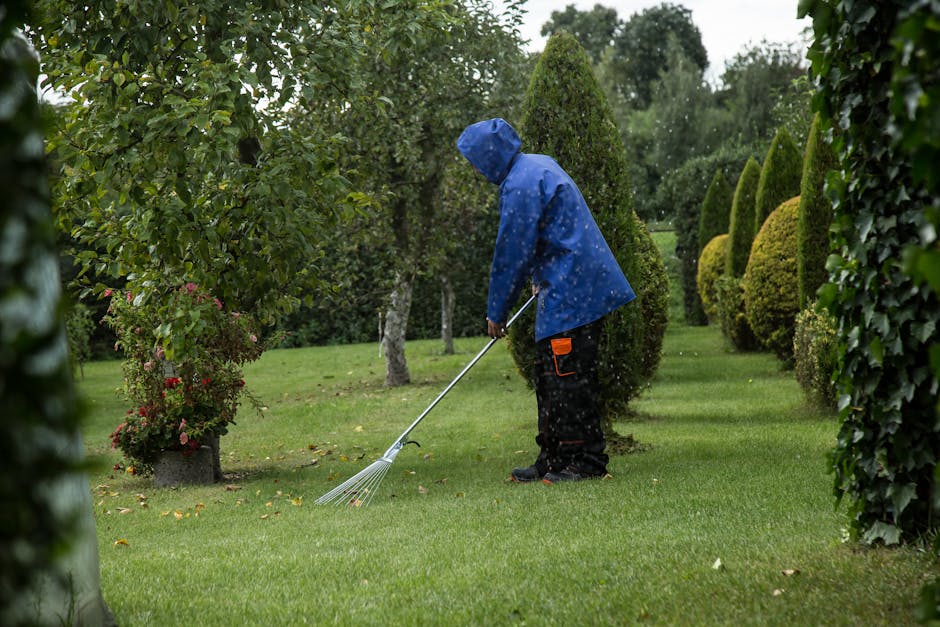
Avoid hidden fees from Waddon gardeners: what to know before you book
If you've ever accepted a "simple" gardening quote and then watched the final bill grow arms and legs, you're not alone. Hidden fees can turn a tidy bit of garden care into an awkward, expensive surprise. And when you're trying to avoid hidden fees from Waddon gardeners what to know becomes less of a vague search and more of a practical money-saving habit.
This guide breaks down how extra charges usually appear, what to ask before work starts, and how to compare quotes properly without getting lost in jargon. Whether you need routine help or a bigger one-off job, the aim is to help you feel calm, clear, and in control. No fluff. Just the stuff that matters.
Why hidden fees matter
Hidden fees matter because garden work is often harder to price at a glance than people expect. A lawn that looks like a quick tidy-up can hide heavy moss, awkward access, broken edging, or a pile of waste that needs removing. A hedge may look straightforward until you realise it's tall, tangled, and overdue by a season. Suddenly, the quote changes. Sometimes fairly. Sometimes not.
That's the key issue: not every extra charge is a scam. Some are legitimate. But if they are not explained clearly at the start, they feel like one. And in a local market, trust is everything. You want a gardener who is upfront about labour, materials, access issues, disposal, and travel. Honestly, that saves everyone a headache.
For homeowners, landlords, and small businesses in Waddon, the risk is usually less about one huge charge and more about lots of small add-ons. A bit for waste removal, a bit for extra labour, a bit for fuel, another bit because the job "took longer than expected". Stack those together and the number can move fast.
A good way to think about it: if a quote sounds too neat, ask what is missing. If it sounds too vague, ask what is included. If it changes mid-job, ask why. Simple questions, but they make a big difference.
How hidden fees usually appear in garden work
Most hidden fees appear in one of four places: scope, access, waste, or materials. Scope means the exact job. Access means how easy it is to get in and out. Waste means what is being taken away. Materials means anything needed to finish the work, such as timber, fixings, soil, or treatment products.
Here's how it often happens in real life. You ask for lawn care, and the initial chat sounds fine. Then the gardener visits and sees the lawn needs scarifying, edging, and a full green waste clearance. Or you request hedge trimming, but the hedge is taller than expected and needs ladder work or specialist equipment. A fair adjustment is reasonable. The problem starts when no one told you how those triggers affect the price.
That's why written quotes matter. A proper quote should separate the base price from extras, or at least explain what conditions might change the total. If you're getting help through a general package such as broader gardening services in Waddon, ask which tasks sit inside the standard visit and which ones are charged separately.
In practice, hidden fees are often less "hidden" and more "unclear". That distinction matters. Clarity is the whole game.
Common places extra costs show up
- Waste disposal: taking cuttings, branches, turf, or old fencing away
- Access problems: side gates, narrow paths, long carries, locked entry, or parking distance
- Unexpected condition: overgrown areas, diseased plants, damaged timber, or compacted soil
- Special equipment: stump grinders, specialist pruning gear, pressure washers, or ladders
- Materials: new soil, mulch, gravel, sleepers, fixtures, or replacement parts
- Urgency: same-day work, out-of-hours appointments, or rescheduling at short notice
None of that is unusual. The trick is to have it written down before anyone starts.
Key benefits and practical advantages
The biggest benefit of getting pricing clear is peace of mind. You can actually compare quotes properly, instead of comparing apples with pears and hoping for the best. That alone saves money, but it also saves time and a fair bit of stress.
There are some other practical wins too:
- Better budgeting: you know the likely total before the work begins.
- Fewer disputes: the scope is agreed, so misunderstandings are less likely.
- Better service choice: you can judge value rather than just the lowest headline price.
- Less rushed work: a clear brief gives the gardener room to do the job properly.
- More trust: transparent pricing usually signals a more professional approach overall.
It also helps with ongoing work. If you need regular visits, such as mowing or seasonal upkeep, you can ask for an itemised schedule and spot changes early. For example, a routine service like lawn mowing in Waddon is much easier to manage when the frequency, edging, and cuttings disposal are all clear from day one.
To be fair, good pricing is not just about saving a few pounds. It's about avoiding the slightly grim feeling of being caught out after the work is done. Nobody enjoys that. Nobody.
Who this is for and when it makes sense
This matters for almost anyone hiring outdoor help, but a few groups need to be especially careful.
- Homeowners booking one-off jobs after a long spell of neglect
- Busy families who want the garden sorted quickly without watching every detail
- Landlords and letting agents who need predictable invoices and tidy records
- Older residents who may prefer fixed pricing and no awkward on-the-spot decisions
- New homeowners who do not yet know how much garden work normally costs
- Anyone with larger outdoor projects where materials and labour can shift the budget
It becomes especially important if your garden has been left for a while. Overgrown spaces are where unexpected add-ons love to hide. If that sounds familiar, a service like garden maintenance in Waddon can be useful, but only if the scope is agreed clearly enough to avoid surprises.
And if the job involves trees, fences, patios, or decking, the risk of extras rises again because more specialist work may be involved. A quote for tree surgery in Waddon, for example, should clearly state whether waste removal, climbing access, and sectional dismantling are included. That's not being picky. That's sensible.
Step-by-step guidance
If you want the simplest possible route to clearer pricing, follow this sequence.
- Describe the job in plain English. Don't just say "tidy the garden". Say what needs doing: mow the lawn, trim the hedge, clear borders, remove waste, clean the patio, or prep for planting.
- Share photos if you can. A quick image of the full area, plus close-ups of problem spots, helps a gardener judge the work more accurately. It really does.
- Ask what is included. Labour, travel, materials, waste disposal, equipment, and VAT if applicable should all be understood before you agree.
- Ask what could change the price. Access problems, hidden damage, extra overgrowth, rot, or diseased branches are common examples.
- Request a written quote or message summary. Even a clear email is better than a vague phone conversation.
- Compare value, not just price. Cheaper isn't cheaper if the quote is incomplete.
- Confirm before work starts. A simple "please go ahead on the basis of the written quote" can save trouble later.
If the work involves outdoor hard surfaces, it helps to know whether cleaning is part of the base price or a separate task. For example, patio cleaning in Waddon may be charged differently from planting or pruning work because equipment and surface treatment can vary quite a bit.
One useful habit: ask the gardener to label any optional extras as optional. That way, if they notice rotten fence panels or a patch of decking that needs attention, you can decide rather than being nudged into it. Handy, that.
A quick question to ask every time
"If the job takes longer or needs extra materials, what exactly happens to the price?"
If the answer is clear and calm, you're usually in good hands. If it sounds slippery, keep your wallet close and ask again.
Expert tips for better results
From experience, the best way to avoid hidden charges is to think like a planner, not a rescue mission. The more detail you give early on, the less room there is for awkwardness later.
- Bundle similar tasks together. A single visit for mowing, trimming, and light clearance is often easier to price than three separate call-outs.
- Be honest about garden condition. If it's overgrown, say so. If the last cut was months ago, say that too.
- Ask for a price cap on uncertain jobs. Even a rough ceiling can keep things under control.
- Check whether waste removal is priced by volume, time, or load. The method matters more than most people realise.
- Confirm if the quote covers collection and disposal off-site. That detail can change the cost a lot.
- Look for itemised thinking. A gardener who can break down labour and materials usually gives better overall transparency.
For hedges, timing matters too. A well-structured service and a clear description make a big difference, especially if you want a neat finish rather than just a quick chop. You can see how a focused approach helps by looking at hedge trimming in Waddon and reading up on the practical side of stunning hedge trimming effects.
And a small but useful tip: if the gardener sounds rushed on the phone, pause. A rushed quote often becomes a rushed invoice. Not always, but often enough to be worth noticing.
Common mistakes to avoid
Most hidden-fee problems start with one of a few common mistakes. The good news is that every one of them is avoidable.
- Accepting a verbal quote only. Memories blur. Messages do not.
- Failing to define the scope. "Garden tidy" can mean five different things to five different people.
- Ignoring access issues. A narrow side passage or no parking can add time and effort.
- Assuming waste is included. Sometimes it is. Sometimes it absolutely isn't.
- Choosing purely on price. The cheapest quote can be the vaguest one, which is rarely a bargain.
- Not asking about damaged or unsafe areas. Rotting timber, loose paving, or unstable branches can change the job a lot.
- Forgetting seasonal pressure. In spring and late autumn, many gardens need more time and more clearance than people expect.
If you are planning larger improvements, it is also worth checking whether the quote covers materials and design input separately. Landscaping can be especially prone to creeping costs because the work may change as the garden takes shape. A good starting point is landscaping in Waddon, but only with a clear plan and a clear budget.
Truth be told, the biggest mistake is usually silence. People don't ask because they feel awkward. Then they pay for the awkwardness later. A bit blunt, but true.
Tools, resources and recommendations
You do not need specialist software to manage this well. A simple notebook, notes app, or email thread is usually enough. What matters is recording the right things.
| Tool or method | What it helps with | Best use |
|---|---|---|
| Written quote | Locks in scope and expected cost | Any job, especially one-off work |
| Photo briefing | Shows the actual condition of the garden | Overgrown or awkward spaces |
| Checklist of tasks | Prevents missed items and surprise extras | Maintenance and seasonal tidying |
| Budget cap note | Sets a clear ceiling for approval | Jobs with uncertain scope |
| Before-and-after photos | Creates a simple record of what was done | Useful for landlords and repeated work |
On the garden side of things, some jobs pair neatly with one another. For instance, lawn work often works better when it is linked with general upkeep and weed management. If you're trying to understand the difference between a one-off cut and recurring care, lawn care in Waddon is a helpful context point, while tips for tackling weeds and transforming your garden can help you decide what to tackle first.
For a neglected outdoor space, it may also help to browse practical ideas for starting again with a clearer plan. The article on revitalising a neglected green space is a good reminder that sorting the sequence of work often saves money too.
Law, compliance and best practice
When you're hiring garden services, the legal side is usually less dramatic than people fear, but it still matters. Good business practice in the UK generally means quotes should be clear, sales terms should not mislead, and any extra charge should be explained before it is added. If something sounds vague, ask for clarification in writing. That's not being difficult. That's just sensible consumer behaviour.
For outdoor work, best practice often includes the following:
- explaining whether the price is fixed or estimated
- stating if waste disposal is included
- noting any access restrictions that may affect cost
- clarifying whether specialist equipment changes the fee
- separating optional extra work from the agreed job
If the work involves trees or anything that could affect safety, it is worth asking whether the gardener uses appropriate equipment and follows sensible risk controls. The same applies to fencing, decking, and patio work. For example, if a project includes replacing panels or tidying borders around them, a service like fencing in Waddon should make clear what is repair, what is replacement, and what is additional.
One practical point: if you are asked to approve extras on the spot, take a breath. It is perfectly reasonable to ask for a quick explanation and, if needed, a revised written note. Even five minutes can prevent a costly misunderstanding.
Options, methods, or comparison table
Different pricing methods suit different jobs. There is no single perfect approach, but there are clear pros and cons.
| Pricing method | Best for | Advantages | Watch out for |
|---|---|---|---|
| Fixed quote | Clearly defined jobs | Predictable total, easy to compare | May exclude extras unless carefully written |
| Hourly rate | Uncertain or variable jobs | Flexible if the scope changes | Total can creep if the job expands |
| Day rate | Larger or mixed tasks | Useful for full-garden clearances | Needs a clear list of what the day covers |
| Package pricing | Ongoing maintenance | Good value when tasks are repeated | Check which tasks are actually included |
For many people, the smartest route is a fixed quote for a defined job, then a clear agreement for anything unexpected. If your project is more complex, a package may work better. That said, if you don't know what's included, even the fanciest package can turn into a puzzle.
A garden seating or decking project can be particularly sensitive to scope changes. If you are planning a refresh around entertaining or daily use, the ideas in building the ultimate garden seating experience and the practical angle of decking services in Waddon may help you ask better questions before you commit.
Case study or real-world example
Here's a realistic example based on a very ordinary kind of job. A Waddon homeowner wants a spring tidy-up after a damp winter. The garden has a mid-sized lawn, a hedge at the front, several beds full of weeds, and a small pile of branches by the fence. Nothing dramatic, but a bit messy.
The first quote sounds tidy enough. But once the gardener visits, it turns out the hedge is taller than expected, the waste pile is heavier than it looked, and the access path is narrower than normal. A weak quote would simply add a vague extra fee at the end. A stronger approach would say: the base price covers mowing and border clearing, hedge work is charged separately because it needs more time, and waste removal is calculated by load. That way, no one feels ambushed.
Now imagine the same job with better preparation. The homeowner sends photos, notes the access route, and confirms that all cuttings need removing. The gardener adjusts the quote up front. The work still costs more than the first rough guess, but it is no longer a surprise. That is the difference between a fair adjustment and a hidden fee.
For jobs with heavier growth, the same principle applies. If a garden has been left to its own devices, a service such as starting fresh with a neglected green space can help frame the work properly before anyone begins. And if the real issue is overgrowth creeping up fences, walls, or paths, clearing ivy from the landscape is a useful example of why precise scoping matters.
Small story, but it happens all the time. A few extra questions at the start, and the whole job feels lighter.
Practical checklist
Use this quick checklist before you agree to any gardening job.
- Have I described the job clearly enough?
- Have I shared photos or a video if the area is tricky?
- Do I know exactly what is included in the quote?
- Has waste removal been confirmed in writing?
- Are materials included, or charged separately?
- Have access issues been mentioned?
- Do I know what might trigger an extra charge?
- Is the quote fixed, estimated, hourly, or packaged?
- Have optional extras been labelled clearly?
- Am I happy to proceed based on the written terms?
If you can tick most of those off, you're in a much better position. Not perfect maybe, but much better.
Conclusion
Hidden fees are usually preventable. That's the encouraging bit. With a clear brief, a written quote, a few direct questions, and a sensible eye for detail, you can avoid most of the common traps and get far better value from local garden services.
If you remember only one thing, make it this: price is only useful when the scope is clear. Once you know what is included, what is optional, and what might change, you can compare gardeners on real value rather than guesswork. And in a place like Waddon, where jobs range from quick lawn cuts to larger tidy-ups and structural work, that clarity is worth a lot.
Get a free quote today and see how much you can save.
Take your time, ask the awkward question if needed, and trust the process. The right quote should feel steady, not slippery. That calm feeling? It's worth it.
Frequently Asked Questions
What are hidden fees from gardeners usually about?
They are usually extra charges that were not explained clearly at the start. Common examples include waste removal, extra labour, specialist equipment, materials, and access issues.
How do I stop a gardener adding surprise costs?
Ask for a written quote that explains what is included, what is excluded, and what could change the price. Photos, clear job descriptions, and a short written confirmation help a lot.
Should garden quotes be fixed or hourly?
It depends on the job. Fixed quotes suit clear, defined tasks. Hourly pricing can work for uncertain jobs, but you should always ask how the total will be controlled.
Is waste removal normally included in garden pricing?
Not always. Some gardeners include it, some charge separately, and some price it by volume or time. Never assume it is included unless it is written down.
What should be in a proper gardening quote?
A proper quote should state the tasks, the price method, materials, waste handling, access assumptions, and any extra charges that may apply if the job changes.
Why do some gardeners charge more after they visit?
Often because the garden condition was different from what was described, or because the job needed more time, labour, or equipment than first expected. That can be fair if it was explained clearly.
Are very cheap gardening quotes a warning sign?
Sometimes. A low quote can be genuine, but it can also mean the price leaves out important parts of the job. If a quote looks unusually low, ask what is missing.
Can I ask for a price cap?
Yes, absolutely. For jobs with uncertain scope, asking for a maximum limit or a call-before-extra-work rule is a sensible way to stay in control.
What if the gardener finds hidden damage during the job?
They should pause and explain the issue before adding extra work. Good practice is to get a clear explanation and, if needed, a revised written estimate before proceeding.
Do I need a written quote for small jobs too?
It is still a good idea, even for smaller jobs. A short message confirming the price and what it includes can stop misunderstandings later.
How can I compare two gardening quotes fairly?
Compare like with like. Check labour, waste removal, materials, access assumptions, and whether the work is fixed price or variable. The cheapest quote is not always the best value.
What is the best first step if I am worried about hidden fees?
Send a clear description of the job and ask for a written quote with inclusions and exclusions. That single step prevents a surprising amount of hassle.